Table of Contents

What evidence is needed for a DUI conviction in Washington State?

Direct answer: Prosecutors must prove:
(1) you were driving or in actual physical control of a vehicle and
(2)
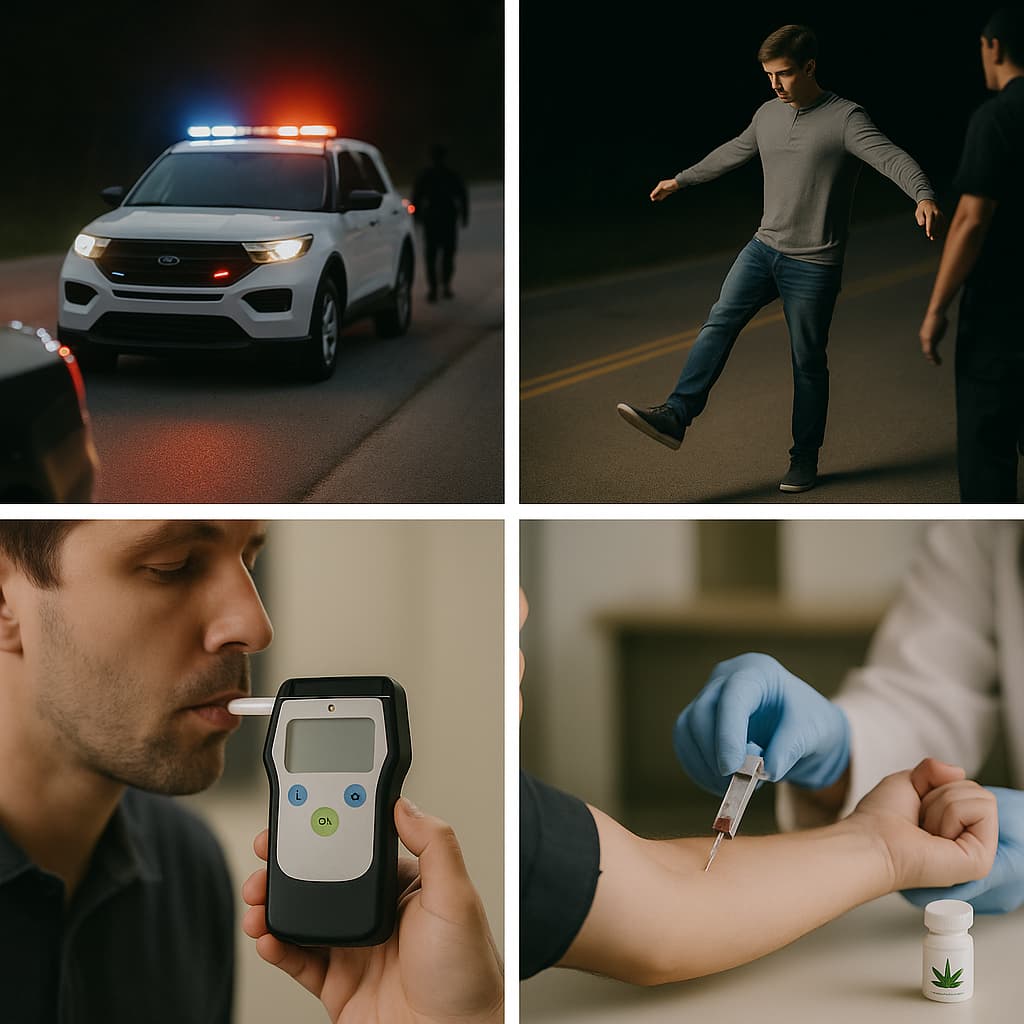
you were under the influence of alcohol, drugs, or both at that time. They typically rely on officer observations, field-sobriety tests, video/body-cam, witness statements, chemical test results (breath/blood), and any statements you made.

Key stat with citation

Standardized field-sobriety tests show reported accuracy rates of roughly 65%–77% in validation materials (One-Leg Stand ≈65%, Walk-and-Turn ≈68%, HGN ≈77%), underscoring why these results are often litigated. Washington State Patrol FST Manual 2023.

Expert quote with source:

“We are not the type of attorneys who escort you to the bench to plead guilty. We’re here to do what’s best for your case from the beginning, the end, and even after the case is closed.” dui-defender.net

Supporting detail with citation:

Washington’s DUI elements (including the per se 0.08 BAC alternative and the “affected by” alternative) are set out in RCW 46.61.502. Washington State Legislature

Common evidence includes pre-stop driving cues, officer sensory observations, FST performance, video, and chemical tests; each can be challenged for procedure, conditions, or reliability. communitylawpllc.com

In Washington, FSTs are voluntary, and while refusal may be used as evidence, officers must still establish impairment with other proof. knausslawfirm.com

Request Your Free Case Review Now

CTA Arrow Icon

Key Takeaways

Green Check
Washington prosecutors use five types of evidence in DUI cases: field sobriety tests, breath tests, blood tests, probable cause observations, and officer testimony.
Green Check
Field sobriety tests have accuracy rates of only 65-68%, making them highly challengeable even when you "fail" the roadside tests.
Green Check
Refusing a breath test triggers automatic license suspension but doesn't prevent prosecution—prosecutors can still charge you using other evidence types.
Green Check
Officer observations like bloodshot eyes and slurred speech are subjective and can be effectively challenged by an experienced DUI attorney who understands their limitations.
Green Check
The Washington State Toxicology Lab takes 6-12 months to process blood tests, creating defense opportunities through evidence degradation and witness unavailability.

Get a Free Consultation

CTA Arrow Icon
Block Placeholder Image

Understanding DUI Evidence in Washington State

When you're arrested for DUI in Washington State, prosecutors use multiple types of evidence to build their case. Understanding what evidence they have and how to challenge it is critical to protecting your rights.

DUI Evidence

Washington DUI cases are governed by RCW 46.61.502, which defines driving under the influence. Unlike cases relying on single evidence, DUI prosecutions typically combine several evidence types.

Linda M. Callahan is the author of the Washington DUI Practice Manual, published annually by Thomson Reuters since 2006. She also received factory training from National Patent Analytical Systems (NPAS), the manufacturer of Washington's breath test machines. This combination of legal scholarship and technical expertise provides exceptional insight into challenging every evidence type.

This page overviews the five main evidence categories with links to detailed challenge strategies. The sooner you understand the evidence against you, the better positioned you are to mount an effective defense.

The Five Types of DUI Evidence Prosecutors Use

Washington prosecutors build DUI cases by layering multiple evidence types. Understanding each type helps identify weaknesses in the prosecution's case.

Field Sobrity Test

1. Field Sobriety Tests

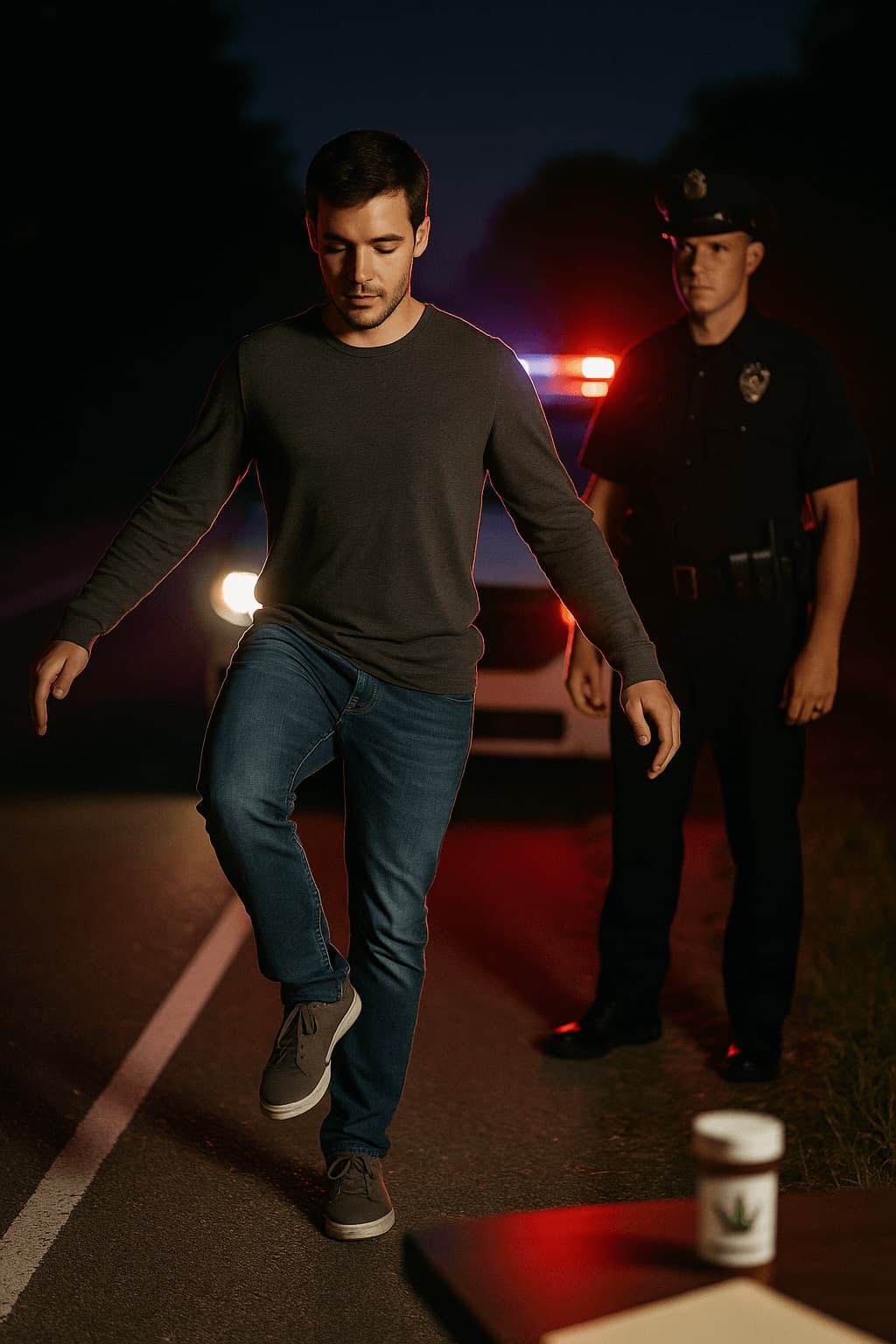
Officers administer three NHTSA standardized tests: Horizontal Gaze Nystagmus (HGN), Walk and Turn, and One Leg Stand. NHTSA research shows accuracy rates of only 65-68%, meaning one in three sober people fail. Medical conditions and environmental factors create numerous challenges and opportunities.
Learn how to challenge field sobriety test results
.

Hand Held Breath Test

2. Breath Testing

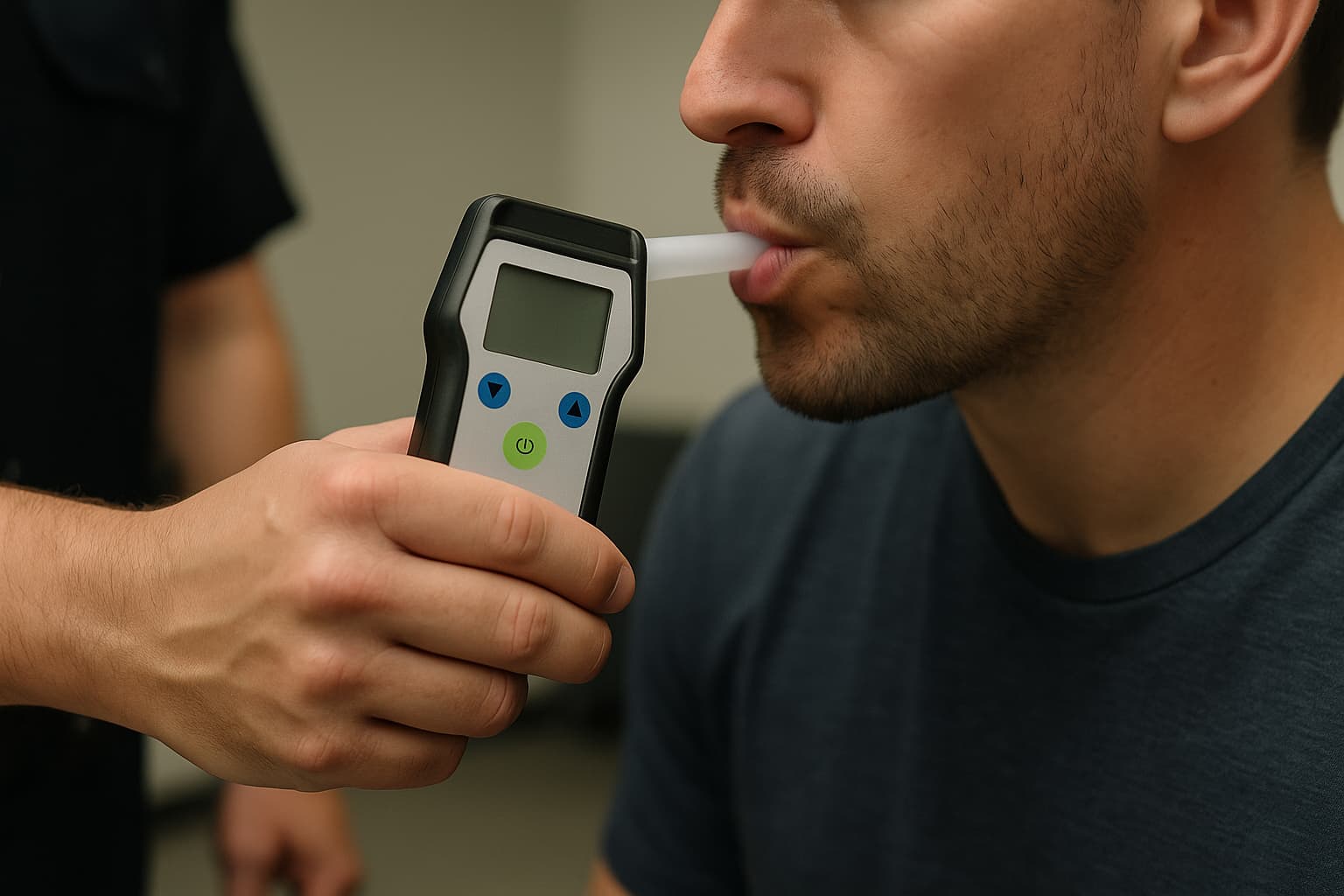
Datamaster DMT machines are Washington's most common chemical test. RCW 46.61.506 requires strict calibration and maintenance. Linda Callahan's NPAS factory training provides unique technical insight into how these machines fail. Discover how breath test machines can be challenged.

Marijuana DUI Blood Draw

3. Blood Testing

Blood tests are ordered for refusals, drug suspicion, or injury accidents. The Washington State Toxicology Laboratory takes 6-12 months to process samples. These delays benefit your defense through evidence degradation and witness unavailability.
Understand blood test procedures and defense strategies.

DUI Probable Cause

4. Probable Cause

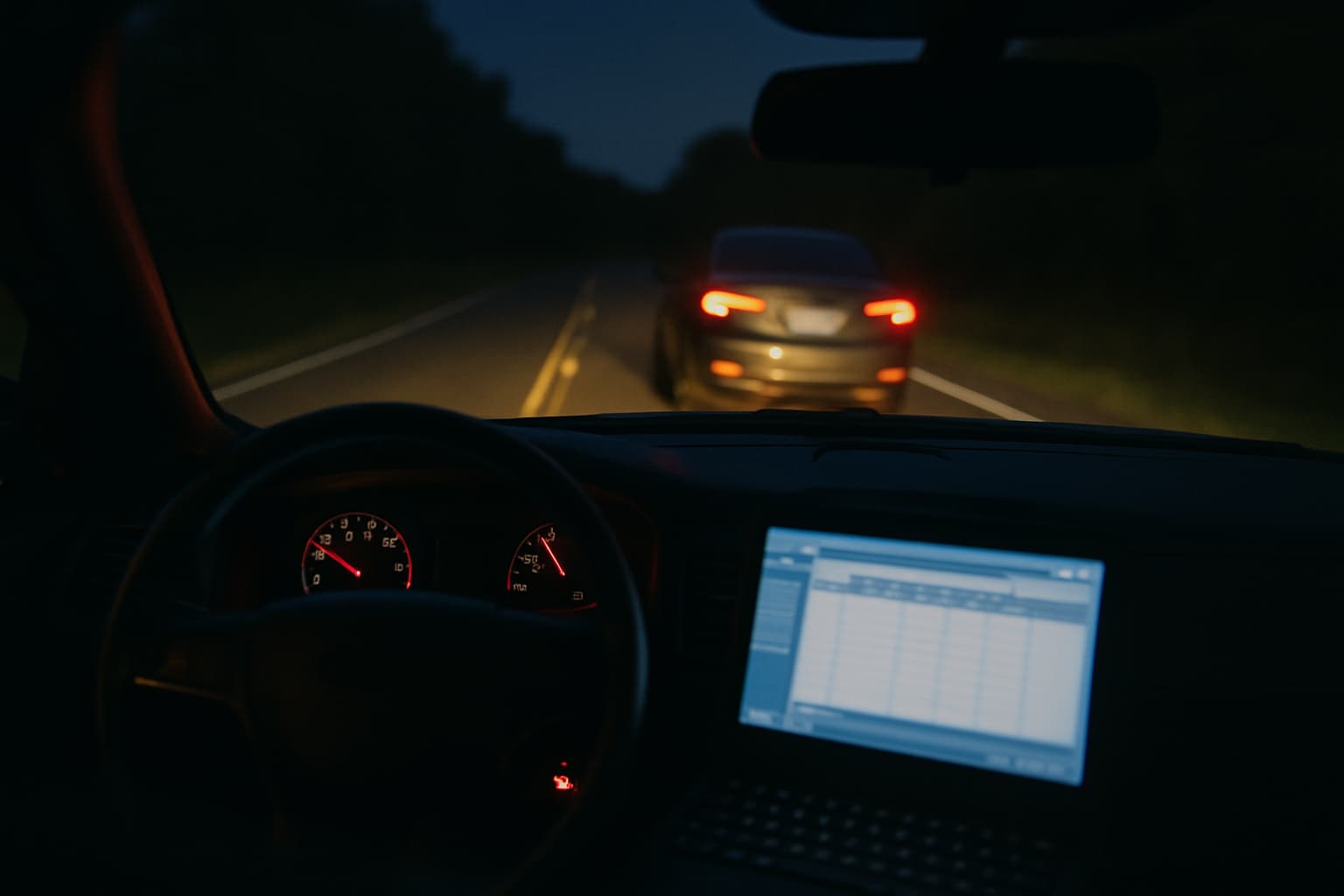
Officers need reasonable suspicion for stops and probable cause for arrests. Reasonable suspicion requires specific facts suggesting criminal activity. Probable cause requires showing it's more likely than not you committed DUI. Illegal stops result in evidence suppression.
Learn about probable cause requirements
.

Breath Test Refusal

5. Breath Test Refusal

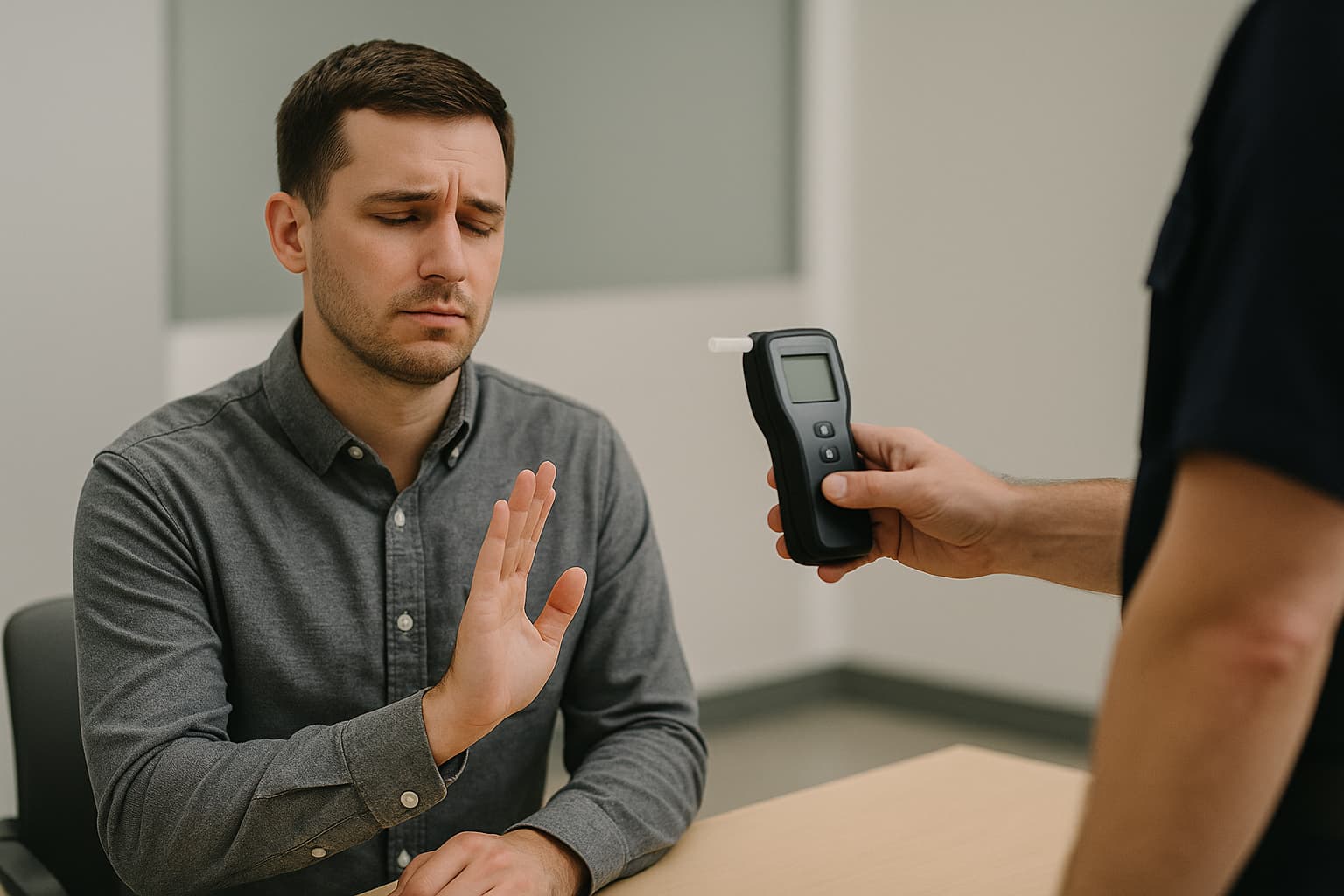
Under RCW 46.20.308, refusing a breath test triggers an automatic 1-2 year license suspension. Prosecutors can still charge DUI using other evidence. Refusal itself can be used as a consciousness of guilt.
Know your rights and refusal consequences

Field Sobriety Tests: Subjective and Often Inaccurate

Field sobriety tests are notoriously unreliable. NHTSA research shows accuracy rates of only 65-68%, meaning roughly one in three sober people fail them.

The three standardized tests are affected by factors beyond alcohol impairment. Medical conditions like diabetes, vertigo, arthritis, and neurological disorders cause poor performance. Environmental factors, including uneven pavement, poor lighting, weather, and inappropriate footwear, also compromise results.

Most problematic is subjective officer scoring. What one officer interprets as swaying, another views as normal. Officers tend to look for evidence confirming impairment suspicion rather than objectively evaluating performance.

These reliability problems make field sobriety test evidence highly challengeable. Many clients have had charges reduced or dismissed after successfully attacking roadside testing validity.

Breath Testing: Washington's Most Common Chemical Test

Datamaster DMT machines produce the chemical evidence prosecutors rely on most. However, these machines are far from infallible.

RCW 46.61.506 establishes strict requirements for breath test admissibility. Machines must be properly calibrated, officers must be certified operators, and testing protocols must be followed precisely. Violations render results inadmissible.

Linda Callahan received factory training from NPAS, the manufacturer of Washington's breath test machines. This gives her the same technical understanding as forensic scientists who testify against you.

Common error sources include calibration failures, radio frequency interference, mouth alcohol contamination, and medical conditions affecting breath composition. Washington also requires tests within two hours of driving, creating additional evidentiary challenges.
For detailed information about challenging breath test results, visit our dedicated breath testing page.

Blood Testing and State Lab Delays

Blood tests are ordered for refusals, drug suspicion, or injury accidents. The testing process is considerably more complex and time-consuming than breath testing.

Blood samples must be drawn by qualified personnel, properly stored, transported to the Washington State Toxicology Laboratory, and analyzed using sophisticated equipment. This process currently takes 6-12 months due to a significant backlog.
These lengthy delays can work in your favor. Evidence quality degrades, witnesses' memories fade, officers may transfer or retire, and procedural errors become harder for prosecutors to explain. Chain of custody documentation must account for every person handling the sample, and months of storage create defense opportunities.

Green Check
Commercial vehicle BAC limit: 0.04% (half the normal 0.08% limit)
Green Check
Personal vehicle BAC limit: 0.08% (but still triggers CDL disqualification if convicted)
Blood test procedures, chain of custody requirements, and defense strategies are covered on our blood testing evidence page.

Probable Cause Requirements for DUI Stops

Officers must establish two distinct legal standards before arresting you. First, reasonable suspicion justifies the initial traffic stop. Second, probable cause justifies the arrest.

In Reasonable suspicion requires specific, articulable facts suggesting criminal activity. Common examples include weaving, speeding, running stop signs, or equipment violations.:

Probable cause requires showing it's more likely than not you committed DUI. Officers establish this through traffic violations, physical observations (bloodshot eyes, alcohol odor), poor field sobriety test performance, and your statements.

An illegal stop without proper reasonable suspicion results in all evidence suppression, even if you were actually impaired. Similarly, an arrest without sufficient probable cause can lead to DUI charge dismissal.

For those in unionized positions or government contracts, there may be Our probable cause page provides comprehensive information about these constitutional protections. procedures or hearings—but your CDL status remains central.

Refusing a Breath Test: What You Should Know

You have the right to refuse a breath test after arrest, but refusal comes with serious consequences. Under RCW 46.20.308, refusing triggers automatic one-year license suspension for first refusals or two years for subsequent refusals within seven years.

Prosecutors can use your refusal as consciousness of guilt evidence, arguing you refused because you knew you were impaired. However, refusal doesn't prevent prosecution. Prosecutors can still charge DUI using officer observations, field sobriety tests, driving behavior, and dashboard camera footage.
The refusal decision is complex and situational. Some cases are stronger without chemical evidence, while others would benefit from test results to challenge.

Refusal also creates DOL hearing issues separate from criminal prosecution. You have only seven days from arrest to request a hearing.

For detailed refusal analysis, see our breath test refusal page.

Officer Observations: Subjective Evidence Without Tests

Many DUI cases, especially refusal cases, rely heavily on officer's subjective observations rather than chemical tests. Prosecutors use testimony about bloodshot eyes, slurred speech, alcohol odor, and unsteady gait to argue impairment.

Common Officer Observations

Officers document specific observations suggesting impairment:

Green Check
Physical appearance: Bloodshot or watery eyes, flushed face, dilated pupils
Green Check
Speech patterns: Slurred speech, confused responses, inability to follow instructions
Green Check
Odor: Smell of alcohol or marijuana
Green Check
Behavior: Fumbling with documents, difficulty exiting the vehicle, unsteady gait, swaying
Green Check
Mental state: Confusion, disorientation, belligerence

Why These Observations Are Subjective

Unlike chemical tests producing numerical results, officer observations depend entirely on subjective interpretation. Stress, fatigue, allergies, medical conditions, and bright police lights cause physical symptoms officers interpret as impairment.

Officers also suffer confirmation bias. Once suspecting impairment, they interpret every observation as confirming that suspicion while ignoring contradictory evidence.

Challenging Officer Observations

Dashboard and body camera footage often contradicts officer testimony. Video may show you walking steadily, speaking clearly, and following instructions despite written reports claiming otherwise. Medical records explain physical symptoms. Expert testimony demonstrates alternative explanations.

We've successfully challenged countless cases based on officer observations by exposing inconsistencies, bias, and alternative explanations.

How Multiple Types of Evidence Build a DUI Case

Prosecutors rarely rely on one evidence type. Instead, they layer multiple types, using the strengths of one to compensate for weaknesses in another.

Green Check
Strong prosecution case: Poor driving, plus failed field sobriety tests, plus .08+ breath test, creates a difficult defense. Each evidence type reinforces the others.
Green Check
Medium prosecution case: Failed field sobriety tests, plus breath test refusal, plus strong officer observations. Without chemical evidence, cases rely more on subjective observations, creating defense opportunities.
Green Check
Weak prosecution case: Minor traffic violation plus officer observations only. Without failed tests or chemical evidence, these cases often result in dismissals or reduced charges.
Understanding evidence combinations helps identify effective defense strategies. Sometimes, attacking the weakest evidence type undermines the entire case. Other times, focusing on probable cause issues suppresses all evidence regardless of strength.
The prosecution must prove every element beyond a reasonable doubt at trial. Creating reasonable doubt regarding any element can lead to acquittal at trial or favorable negotiations.

Testimonial

DUI Google Reviews

Linda Callahan and her staff were compassionate, professional, and extremely knowledgeable. My DUI charge was reduced, and I felt supported every step of the way.

Star RatingStar RatingStar RatingStar RatingStar Rating
User Placeholder Image

Khai

King County
DUI Google Reviews

From my first phone call with Chris, I felt calmer. He took the time to listen, explained the process clearly, and connected me with Linda. The outcome was better than I ever expected.

Star RatingStar RatingStar RatingStar RatingStar Rating
User Placeholder Image

Jeremy

Tacoma
DUI Google Reviews

Toni and the intake team treated me with such kindness. They never judged me and made sure all my questions were answered. I can’t thank them enough.

Star RatingStar RatingStar RatingStar RatingStar Rating
User Placeholder Image

Rebecca

Olympia
DUI Google Reviews

Callahan Law is the real deal. My case was dismissed after Linda challenged the breath test results. She’s smart, strategic, and incredibly thorough.

Star RatingStar RatingStar RatingStar RatingStar Rating
User Placeholder Image

Michael

Thurston County
DUI Google Reviews

They worked with me on payments and never made me feel pressured. Communication was always fast and clear. I’d recommend them to anyone facing a DUI in Washington.

Star RatingStar RatingStar RatingStar RatingStar Rating
User Placeholder Image

Allison

Pierce County
DUI Google Reviews

I was terrified after my arrest, but Linda and her team walked me through everything. I felt like I had real advocates who cared about my future.

Star RatingStar RatingStar RatingStar RatingStar Rating
User Placeholder Image

Jared

Kitsap County
DUI Google Reviews

From my first call, I knew I was in good hands. They were understanding, knowledgeable, and fought hard for my case.

Star RatingStar RatingStar RatingStar RatingStar Rating
User Placeholder Image

Former Client

Tacoma
DUI Google Reviews

Callahan Law turned an overwhelming situation into a manageable one. Their professionalism and compassion made all the difference.

Star RatingStar RatingStar RatingStar RatingStar Rating
User Placeholder Image

Former Client

Olympia
Swipe Left Icon
Swipe Right Icon

Frequently Asked Questions About DUI Evidence

Can you be convicted of DUI without a breath or blood test?

Accordion CollapseAccordion Expand
Yes. Washington prosecutors prove DUI using officer observations, field sobriety test performance, driving behavior, and statements. RCW 46.61.502 defines DUI as being "affected by" alcohol or drugs, which doesn't require chemical tests. Dashboard and body camera footage also provides impairment evidence.
Cases without chemical evidence are often more defensible. Prosecutors rely on subjective observations rather than numerical BAC results. Many "affected by" cases result in dismissals or reduced charges when challenged by experienced counsel. If you refused a breath test, prosecutors use that refusal as consciousness of guilt evidence, but must still prove actual impairment.

Are field sobriety tests accurate?

Accordion CollapseAccordion Expand
No. NHTSA research shows One Leg Stand accuracy of only 65% and Walk and Turn accuracy of only 68%. This means 32-35% of completely sober people fail these tests even under ideal conditions.
Real-world conditions are rarely ideal. Uneven pavement, poor lighting, inappropriate footwear, weather, and nervousness affect performance. Medical conditions, including diabetes, vertigo, arthritis, inner ear problems, and neurological disorders,s cause poor balance unrelated to alcohol impairment.
Most problematic is subjective officer scoring. Officers interpret test performance through preexisting suspicion, often seeing "clues" of impairment where none exist. Field sobriety test challenges focus on administration errors, medical explanations, and officer bias.

What is the difference between reasonable suspicion and probable cause?

Accordion CollapseAccordion Expand
Reasonable suspicion is the lower standard required for traffic stops. It requires specific, articulable facts suggesting possible criminal activity. Examples include weaving, speeding, running stop signs, or equipment violations.
Probable cause is the higher standard required for a DUI arrest. It requires facts leading a reasonable person to believe it's more likely than not that you committed the crime. Officers establish probable cause through traffic violations, physical observations (bloodshot eyes, alcohol odor), failed field sobriety tests, and statements.
The distinction matters because illegal stops without reasonable suspicion result in all evidence suppression. Similarly, an arrest without probable cause can lead to dismissal. Probable cause challenges require detailed constitutional analysis.

How accurate are breath test machines?

Accordion CollapseAccordion Expand
Breath test machines can be accurate when properly calibrated, maintained, and operated. However, numerous factors compromise accuracy. Datamaster DMT machines used in Washington must meet strict RCW 46.61.506 requirements, including regular calibration and proper operator training.
Common error sources include calibration failures, radio frequency interference, mouth alcohol contamination, and operator mistakes. Medical conditions like GERD, acid reflux, and diabetes produce falsely elevated readings. Even dental work and certain diets affect results.
Linda Callahan's NPAS factory training gives her unique technical expertise to challenge breath test machine reliability. She understands how these devices work, maintenance protocol requirements, and how to identify when procedures weren't followed.

What happens if you refuse a field sobriety test in Washington?

Accordion CollapseAccordion Expand
You have the legal right to refuse field sobriety tests in Washington with no automatic penalty, unlike breath test refusal, which triggers automatic license suspension. Field sobriety tests are voluntary, and declining them cannot result in immediate license consequences.
However, officers can still arrest you based on other observations, including driving behavior, physical appearance, alcohol odor, and statements. Prosecutors may argue your refusal shows consciousness of guilt, though this argument is weaker for field tests than chemical tests.
Most DUI attorneys advise refusing field sobriety tests if you've consumed any alcohol. These tests are designed to produce evidence against you, and even sober people frequently fail them. The strategic calculation is that limiting evidence collection generally benefits your defense.

How long does a DUI stay on my record in Washington?

Accordion CollapseAccordion Expand
A DUI stays on your criminal record permanently and on your driving record for 7–10 years. This affects insurance, employment, and CDL reinstatement.
See DUI penalties by offense

What’s the cost of fighting a CDL DUI case?

Accordion CollapseAccordion Expand
Callahan Law offers flat-fee representation. Costs vary based on complexity, but we always start with a free consultation.
Learn about our fees

Get Help Now

CTA Arrow Icon

How Linda Callahan's Expertise Challenges DUI Evidence

When your freedom is at stake, you need an attorney who literally wrote the book on DUI defense. Attorney Linda M. Callahan is the author of the Washington DUI Practice Manual, published annually by Thomson Reuters since 2006 and used by attorneys throughout Washington.

Linda M. Callahan
Founder & Managing Attorney – Callahan Law, P.S., Inc.
Washington State’s Leading DUI Defense Attorney

Linda received factory training from National Patent Analytical Systems (NPAS), the manufacturer of Washington's breath test machines. She understands these devices at the same technical level as forensic scientists who testify against you.

With a Notre Dame Law School J.D. and experience in King, Pierce, Snohomish, Thurston, Kitsap, and Mason Counties, Linda understands how different prosecutors and judges evaluate DUI evidence. She knows which defenses work in which jurisdictions.

Our firm has successfully defended hundreds of clients by attacking prosecution's evidence reliability and admissibility. Whether your case involves field sobriety tests, breath tests, blood tests, or officer observations, we identify weaknesses and exploit them.

The evidence may seem overwhelming, but every type has vulnerabilities. The sooner you retain experienced representation, the more options you have.

Contact Callahan Law P.S., Inc. today for a free consultation.

Supporting Video

Contact Us for a Free Consultation

Don't Face DUI Evidence Alone

The evidence against you may seem overwhelming, but every type has weaknesses an experienced attorney can exploit. The sooner you act, the more options you have.

Don't risk your future. Contact Callahan Law P.S., Inc. today for a free consultation with an attorney who wrote Washington's DUI Practice Manual and received factory training on breath test machines.

Our Offices:

Seattle: Serving King County
Olympia: Serving Thurston County
Shelton: Serving Mason County

We represent clients throughout King, Pierce, Snohomish, Thurston, Kitsap, and Mason Counties.

CTA Phone ShapeCTA Phone Shape