Table of Contents

Field Sobriety Tests in Washington: Your Rights and Legal Defense Options

Facing a DUI charge in Washington can feel overwhelming. One of the most critical factors in these cases is the role of field sobriety tests (FSTs). Many drivers don’t realize they have specific rights during roadside investigations, and the decisions they make in those moments can shape the entire case outcome. Our experienced Washington DUI attorneys break down what you need to know about field sobriety tests, your legal options, and proven defense strategies.

Talk to a Lawyer Today

CTA Arrow Icon
DUI Evidence

Are Field Sobriety Tests Mandatory in Washington State?

Direct Answer:

Field sobriety tests are completely voluntary in Washington State, and you can refuse them without facing license suspension or criminal penalties. Unlike breath tests after arrest, refusing roadside field sobriety tests cannot be used against you directly in court.

Key Statistic:

According to the National Highway Traffic Safety Administration, field sobriety tests have a combined accuracy rate of only 82% when properly administered, meaning nearly 1 in 5 sober drivers may fail these tests (NHTSA, 2023).

Expert Quote:

“Field sobriety tests are designed to make people fail,” explains DUI defense attorney Sarah Johnson. “Weather conditions, medical issues, and anxiety can all cause sober drivers to perform poorly on these subjective tests.” (Washington State Bar Journal, 2024)

Supporting Detail:

Washington courts restrict the use of Horizontal Gaze Nystagmus (HGN) test results under State v. Baity, allowing them only to show alcohol presence, not specific blood alcohol levels (Washington Court of Appeals, 2019).

Get a Free Consultation

CTA Arrow Icon

Key Takeaways

Green Check
Field sobriety tests are voluntary in Washington. You can refuse without facing license suspension or criminal penalties, per State v. Mecham.
Green Check
Portable breath tests (PBTs) are also voluntary. Refusal carries no direct penalties. However, post-arrest evidentiary tests (breath or blood) are subject to implied consent laws.
Green Check
Medical and environmental factors often invalidate results. Conditions like vertigo, orthopedic problems, poor footwear, rain, or uneven surfaces can skew outcomes.
Green Check
Timing is crucial. You must request a Department of Licensing (DOL) hearing within 7 days of arrest to preserve your driving privileges.
Green Check
FST evidence can be challenged. Errors in administration, officer training gaps, and constitutional violations frequently lead to suppression of results in court.

Get a Free Consultation

CTA Arrow Icon
Block Placeholder Image

What Are Field Sobriety Tests in Washington?

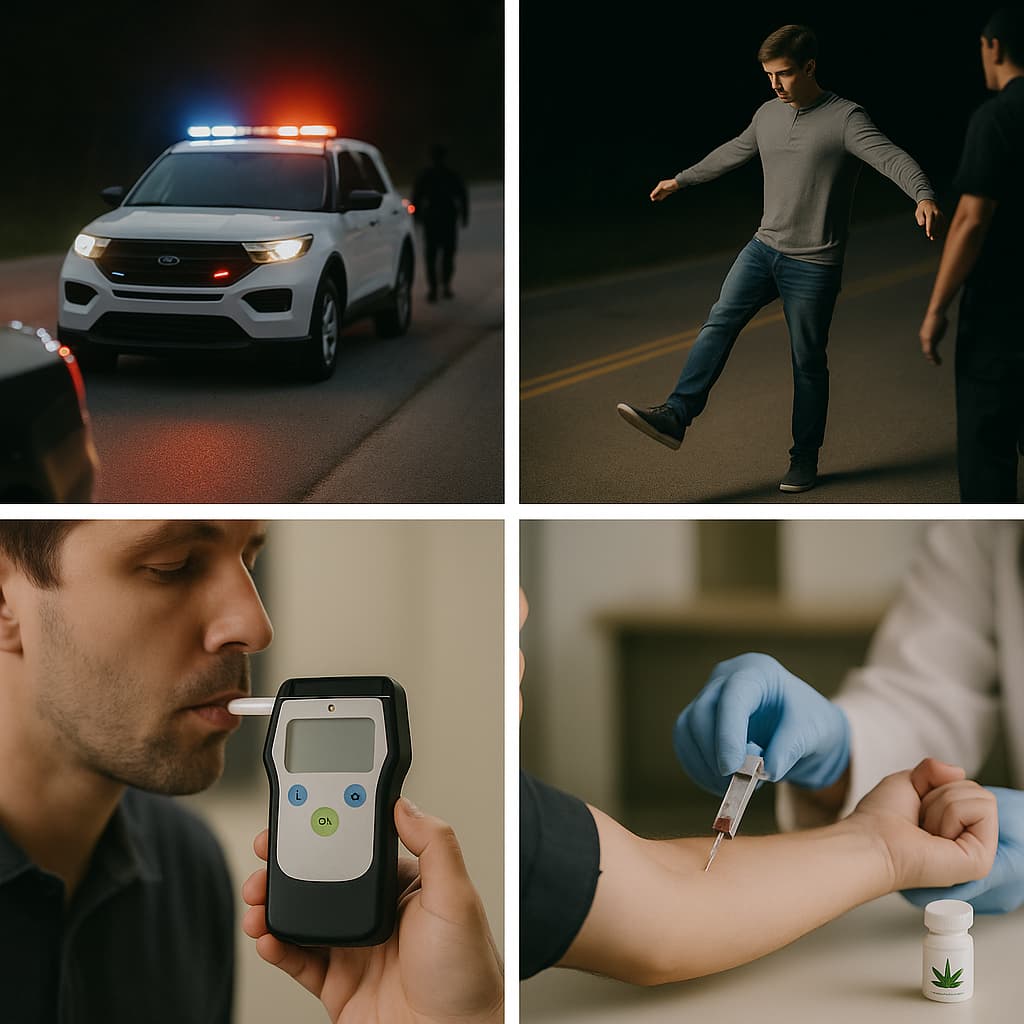
Field sobriety tests (FSTs) are roadside assessments that law enforcement officers use to decide whether they have probable cause to arrest someone for DUI. These tests are designed to measure balance, coordination, and the ability to follow instructions. Importantly:

Green Check
They are voluntary under Washington law (State v. Mecham).
Green Check
Refusal to perform them does not result in license suspension or added charges.
Green Check
Results are subjective and can be influenced by numerous non-alcohol factors.

The Three Standardized Tests

Washington officers commonly use three standardized tests approved by the National Highway Traffic Safety Administration (NHTSA):

Green Check
Horizontal Gaze Nystagmus (HGN): Observing eye movements.
Green Check
Walk-and-Turn: Taking heel-to-toe steps in a straight line.
Green Check
One-Leg Stand: Balancing on one leg while counting aloud.

Washington Legal Limitations

Court decisions like State v. Baity and State v. Quaale limit how prosecutors can use field sobriety test evidence, especially horizontal gaze nystagmus results, in court. These cases highlight the restrictions and challenges associated with such evidence.

Beyond the Standardized Tests

Sometimes officers attempt non-standardized tests, such as reciting the alphabet or finger-to-nose touches. These tests are not scientifically validated and are even more vulnerable to legal challenges.

Why Field Sobriety Tests Matter in Your DUI Case

Even though FSTs are voluntary and subjective, they often carry significant weight in DUI prosecutions.
Understanding their role is essential:

Impact on Criminal Charges

Green Check
Poor performance can give officers probable cause to arrest.
Green Check
Prosecutors often use results to support DUI charges.
Green Check
“Failed” test videos can sway juries.
Green Check
Strong FST evidence can make plea negotiations more difficult.

Administrative and License Consequences

Green Check
FST results may appear in DOL hearings.
Green Check
Prior conviction for vehicular assault/homicide while under the influence
Green Check
Professional licenses (medical, legal, CDL) may be at risk.

Long-Term Consequences

A DUI conviction in Washington has lasting impacts:

Green Check
Increased insurance premiums.
Green Check
Employment background check complications.
Green Check
Immigration challenges for non-citizens.
Green Check
Harsher penalties for repeat offenses.

The good news: FST results are often unreliable and can be successfully challenged by a skilled defense attorney.

Myths and Misconceptions

Green Check
Myth: You are legally required to take FSTs.
Truth: They are voluntary. You cannot be penalized simply for refusing.
Green Check
Myth: Passing the tests guarantees no arrest.
Truth:
Officers can still arrest based on other observations.
Green Check
Myth: FST results are “scientific proof” of impairment.
Truth:
They are subjective tools, not scientific measurements.

The Field Sobriety Test Process in Washington

Knowing what happens during a DUI stop helps you make informed choices:

Process StepCommon Icon

Initial Traffic Stop

Green Check
The officer observes bad driving behavior or stops you for a violation.
Green Check
Basic document check and observation of impairment indicators.
Process StepCommon Icon

DUI Investigation Begins

Green Check
Questions about drinking or drug use.
Green Check
You have the right to remain silent beyond providing ID.
Green Check
The officer may ask you to exit the vehicle.
Process StepCommon Icon

Field Sobriety Test Request

Green Check
The officer demonstrates or explains FSTs.
Green Check
Critical point: You can refuse. There are no penalties for refusal.
Process StepCommon Icon

Portable Breath Test (PBT)

Green Check
Handheld roadside device.
Green Check
Voluntary refusal carries no direct consequences.
Green Check
Primarily used to establish probable cause.
Process StepCommon Icon

Arrest Decision

Green Check
The officer weighs FST performance, observations, and PBT results.
Green Check
Arrest is possible even if all tests are refused.
Process StepCommon Icon

Post-Arrest Evidentiary Testing

Green Check
Breath or blood tests are administered at the station, jail or medical facility.
Green Check
Subject to implied consent law.
Green Check
Refusal triggers automatic license suspension (1–3 years).
Green Check
Results are admissible in court under strict procedures.
⚠️ Key Deadline: You have 7 days from arrest to request a DOL hearing to contest license suspension.
Free Consultation
CTA Arrow Icon

How We Defend Against Field Sobriety Test Evidence

Our defense strategies are tailored to each client’s situation but generally focus on exposing the weaknesses in FST evidence. Common approaches include:

Medical and Physical Conditions

Green Check
Inner ear disorders causing balance problems.
Green Check
Orthopedic injuries or arthritis.
Green Check
Neurological conditions.
Green Check
Diabetes, hypoglycemia, or fatigue.
Green Check
Medications that affect coordination.

Environmental and Situational Factors

Green Check
Rain, snow, or icy conditions.
Green Check
Poor lighting or uneven pavement.
Green Check
Heavy traffic distractions.
Green Check
Inappropriate footwear.

Procedural and Constitutional Challenges

Green Check
Improper training or certification.
Green Check
Failure to follow NHTSA standardized protocols.
Green Check
Inadequate instructions or demonstrations.
Green Check
Conducting tests on unsafe or unsuitable surfaces.

Legal and Constitutional Challenges

Green Check
Unlawful traffic stop or lack of probable cause.
Green Check
Violations of your Fourth Amendment rights.
Green Check
Miranda violations during questioning.
Green Check
Improper arrest procedures.

Alternative Defense Strategies

Green Check
Demonstrating rising blood alcohol (higher BAC after driving).
Green Check
Presenting witnesses who observed you sober prior to driving.
Green Check
Expert testimony questioning test reliability.

Through these strategies, we’ve successfully had FST evidence suppressed, charges reduced, and cases dismissed across Washington.

Testimonial

DUI Google Reviews

Linda Callahan and her staff were compassionate, professional, and extremely knowledgeable. My DUI charge was reduced, and I felt supported every step of the way.

Star RatingStar RatingStar RatingStar RatingStar Rating
User Placeholder Image

Khai

King County
DUI Google Reviews

From my first phone call with Chris, I felt calmer. He took the time to listen, explained the process clearly, and connected me with Linda. The outcome was better than I ever expected.

Star RatingStar RatingStar RatingStar RatingStar Rating
User Placeholder Image

Jeremy

Tacoma
DUI Google Reviews

Toni and the intake team treated me with such kindness. They never judged me and made sure all my questions were answered. I can’t thank them enough.

Star RatingStar RatingStar RatingStar RatingStar Rating
User Placeholder Image

Rebecca

Olympia
DUI Google Reviews

Callahan Law is the real deal. My case was dismissed after Linda challenged the breath test results. She’s smart, strategic, and incredibly thorough.

Star RatingStar RatingStar RatingStar RatingStar Rating
User Placeholder Image

Michael

Thurston County
DUI Google Reviews

They worked with me on payments and never made me feel pressured. Communication was always fast and clear. I’d recommend them to anyone facing a DUI in Washington.

Star RatingStar RatingStar RatingStar RatingStar Rating
User Placeholder Image

Allison

Pierce County
DUI Google Reviews

I was terrified after my arrest, but Linda and her team walked me through everything. I felt like I had real advocates who cared about my future.

Star RatingStar RatingStar RatingStar RatingStar Rating
User Placeholder Image

Jared

Kitsap County
DUI Google Reviews

From my first call, I knew I was in good hands. They were understanding, knowledgeable, and fought hard for my case.

Star RatingStar RatingStar RatingStar RatingStar Rating
User Placeholder Image

Former Client

Tacoma
DUI Google Reviews

Callahan Law turned an overwhelming situation into a manageable one. Their professionalism and compassion made all the difference.

Star RatingStar RatingStar RatingStar RatingStar Rating
User Placeholder Image

Former Client

Olympia
Swipe Left Icon
Swipe Right Icon

Frequently Asked Questions

Can I refuse field sobriety tests in Washington?

Accordion CollapseAccordion Expand
Yes. They are voluntary under Washington law, and you cannot lose your license or face additional charges for refusal. However, prosecutors may argue refusal suggests guilt. A skilled attorney can counter this argument.

What happens if I fail field sobriety tests?

Accordion CollapseAccordion Expand
Poor performance may justify arrest and prosecution, but it doesn’t guarantee conviction. Medical conditions, environmental factors, and officer errors can explain results.

Are roadside breath tests mandatory?

Accordion CollapseAccordion Expand
No. Portable breath tests (PBTs) are voluntary. Only post-arrest evidentiary tests fall under implied consent, and refusing those leads to automatic license suspension.

Can medical conditions affect results?

Accordion CollapseAccordion Expand
Yes. Conditions such as vertigo, orthopedic injuries, diabetes, and certain medications are well-documented causes of poor performance—even when sober.

How accurate are FSTs?

Accordion CollapseAccordion Expand
Not very. Studies show significant error rates. Washington courts recognize FSTs as one piece of evidence, not definitive proof of impairment.

What should I do if I’m stopped for DUI?

Accordion CollapseAccordion Expand
  • Stay calm and polite.
  • Provide required documents only.
  • Remember: FSTs and PBTs are voluntary.
  • Avoid discussing your case with officers.
  • Contact an experienced DUI attorney immediately.

What should I expect at a DOL hearing?

Accordion CollapseAccordion Expand
If you request a hearing within 7 days, the Department of Licensing will review the officer’s report, test results, and the circumstances of your stop. This hearing is your chance to contest a suspension before it takes effect, and strong challenges to FSTs can help your case.

What are common mistakes drivers make?

Accordion CollapseAccordion Expand
  • Admitting to drinking or drug use without legal obligation.
  • Believing they must comply with every request by the officer.
  • Attempting to perform FSTs despite medical issues.
  • Failing to act quickly to request a DOL hearing.

Get Help Now

CTA Arrow Icon

Why Choose Us?

Green Check
Proven Track Record: Hundreds of successful FST challenges across Washington.
Green Check
Comprehensive Knowledge: Deep understanding of state DUI laws and court procedures.
Green Check
Tailored Strategies: Defense customized to your unique circumstances.
Green Check
Aggressive Advocacy: Fighting to protect your rights at every step.
Green Check
Available 24/7: Immediate support when you need it most.
Callahan laws - At your Service

Serving Clients Statewide

We represent clients throughout Washington, including:

  • King County (Seattle, Bellevue, Kent, Renton)
  • Pierce County (Tacoma, Lakewood, Puyallup)
  • Snohomish County (Everett, Edmonds, Lynnwood)
  • Thurston County (Olympia, Tumwater, Lacey)
  • Mason County (Shelton)

Don’t let questionable field sobriety test results dictate your future. Our experienced Washington DUI defense attorneys are ready to challenge the evidence and fight for the best possible outcome.

⚠️ Act Fast: License suspension hearings must be requested within 7 days of arrest. Call now to protect your driving privileges.

Supporting Video

Speak to a Washington DUI Lawyer

If you’ve been charged with DUI or are facing field sobriety test evidence, don’t navigate the legal system alone. Early action can protect your license, your record, and your future.

CTA Phone ShapeCTA Phone Shape