Table of Contents

Breath Test Accuracy in Washington DUI Cases

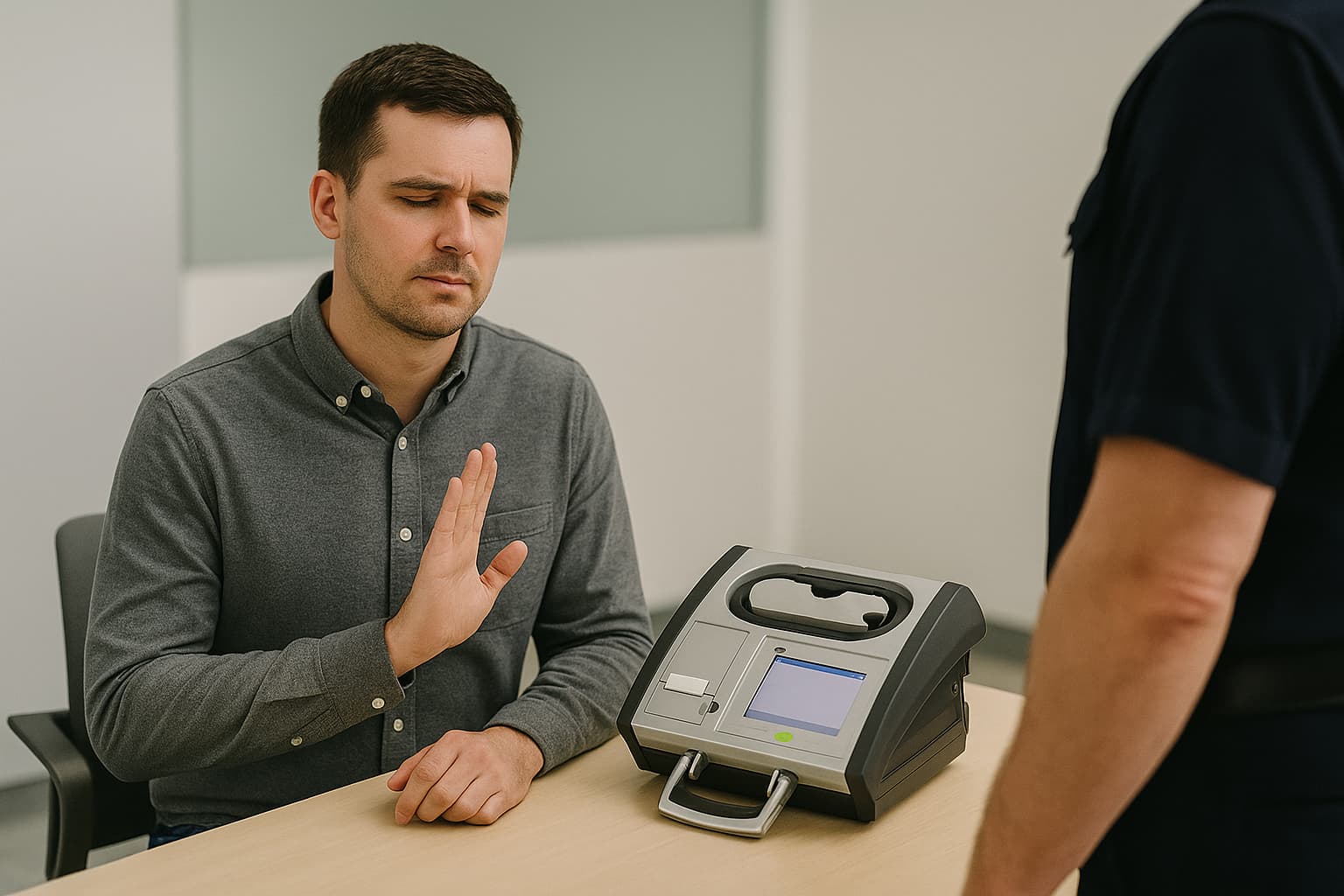
Breath Test Machine

Can a DUI breath test be challenged in Washington State?

Question: Can a DUI breath test be challenged in Washington State?

Direct answer: Yes. A DUI breath test in Washington can be challenged if strict legal protocols are not followed, including the 15-minute observation period, proper operator certification, and two valid breath samples.

Key stat with citation:

According to the Washington Traffic Safety Commission, alcohol was a factor in 37% of fatal crashes in Washington in 2022 (WTSC, 2023)
[https://wtsc.wa.gov/research-data/].

Expert quote with source:

“The accuracy of a breath test depends on strict adherence to protocol — even small deviations can affect admissibility,” explains attorney Doug Silva, Washington Association of Criminal Defense Lawyers (WACDL, 2023) [https://www.wacdl.org/].

Understanding the Look-Back Period

The Washington Administrative Code requires an uninterrupted 15-minute observation and two consecutive valid samples for a test to qualify (WAC 448-16-040, 2024) [https://app.leg.wa.gov/wac/default.aspx?cite=448-16-040].

References:

Green Check
Washington Traffic Safety Commission — Crash Data Portal (2023). https://wtsc.wa.gov/research-data/
Green Check
Washington Association of Criminal Defense Lawyers — Breath Test Practice Guidance (2023).
https://www.wacdl.org/
Green Check
Washington Administrative Code — WAC 448-16-040 (2024). https://app.leg.wa.gov/wac/default.aspx?cite=448-16-040
Want to understand how DUI breath testing rules apply in your county? Call us for a free consultation today:

Get a Free Consultation

CTA Arrow Icon

Key Takeaways

Green Check
BAC legal limit in Washington: 0.08 within two hours of driving.
Green Check
A “test” requires two valid breath samples under strict rules.
Green Check
15-minute observation period, Washington DUI: interruptions make results unreliable.
Green Check
Suppress breath test, Washington: failures in procedure can exclude results.
Green Check
Washington State uses the Dräger Alcotest 9510, not the Intoxilyzer 8000.

Get a Free Consultation

CTA Arrow Icon
Block Placeholder Image

What is DUI Breath Testing?

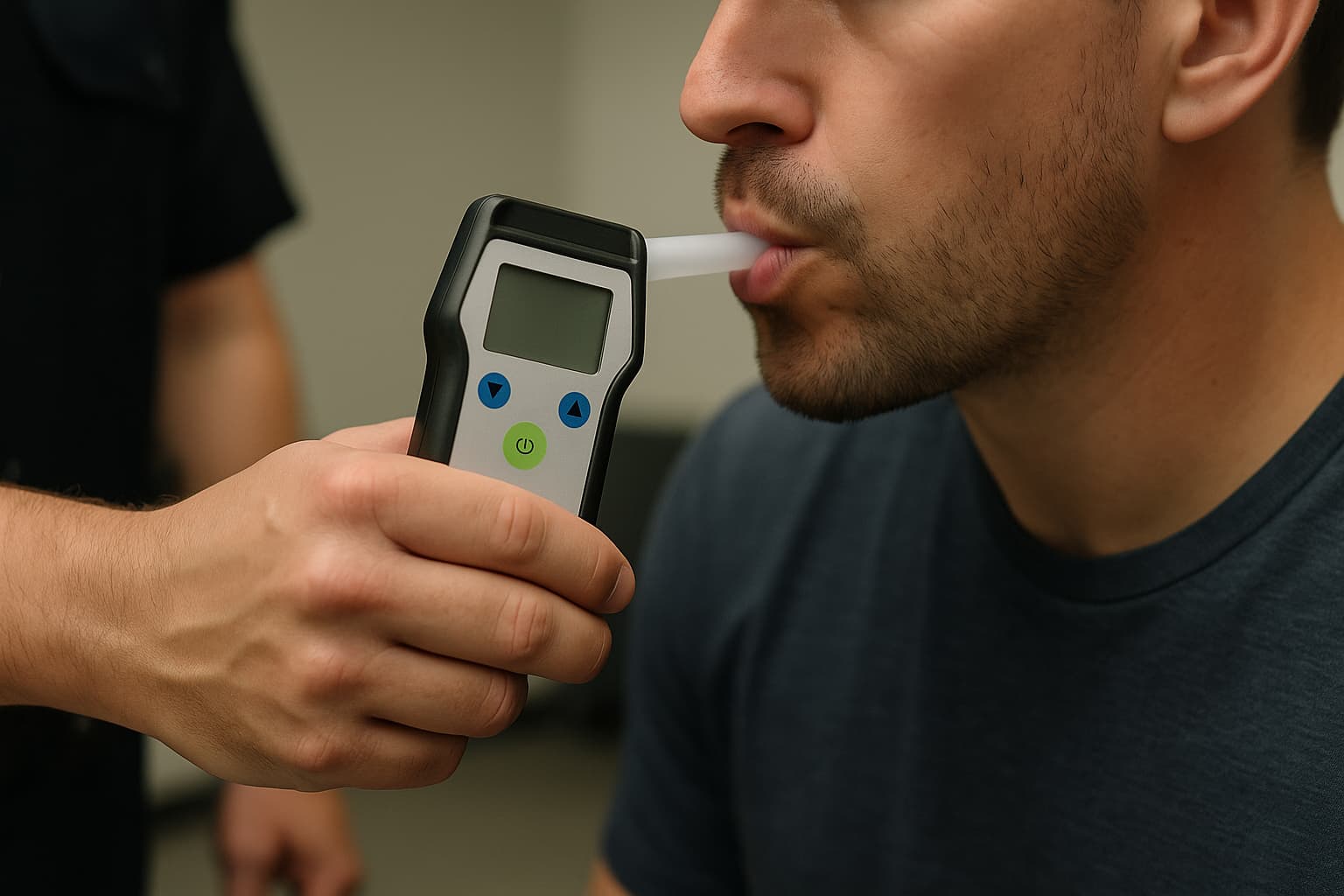
Hand Held Breath Test

A Washington DUI breath test is the state’s primary tool for proving a per se DUI under RCW 46.61.502. A test is defined as two valid, consecutive breath samples with correct machine checks in between.Washington differentiates between:

Green Check
PBT breathalyzer / preliminary breath test devices → roadside, screening only, not admissible.
Green Check
Evidentiary tests → performed on the Dräger Alcotest 9510 at the station, governed by WAC 448-16.

Washington State law enforcement agencies rely heavily on breath testing devices to prosecute DUI cases. These machines, primarily the Draeger Alcotest series used by Washington State Patrol, are designed to measure blood alcohol concentration through breath samples. However, the technology behind these devices is far from foolproof.

Breath Test Machine

Unlike the Washington State Patrol breath test technicians who maintain and repair these sophisticated machines, the law enforcement officers who operate them during arrests receive only basic training. This fundamental gap in technical knowledge creates opportunities for errors that can lead to wrongful DUI convictions.

The legal standard of 0.08 BAC might seem straightforward, but breath testing involves complex scientific principles that can be disrupted by numerous factors. From medical conditions like GERD to environmental contaminants, many variables can cause false positive results that have nothing to do with alcohol consumption.

Why Breath Test Defense Matters

The consequences of a DUI conviction in Washington extend far beyond criminal penalties. Professional licenses, employment opportunities, and personal relationships all suffer when breath test evidence goes unchallenged. This is particularly critical for professionals in Washington's tech industry and commercial drivers who face career-ending consequences.

Breath test challenges often represent the strongest defense strategy available. Unlike field sobriety tests, which are largely subjective, breath testing involves mechanical devices with documented limitations and failure modes. Washington courts have increasingly recognized that breath test accuracy depends on proper maintenance, calibration, and operation procedures that are frequently violated.

The margin of error becomes crucial in borderline cases. A true BAC of 0.075 could easily register as 0.085 due to machine error, transforming a legal driver into a DUI defendant. For individuals with readings at or near 0.08, aggressive breath test challenges can mean the difference between conviction and case dismissal.

Medical conditions create additional defense opportunities. Individuals with diabetes, GERD, acid reflux, or certain dietary restrictions may produce acetone or other compounds that breath machines cannot distinguish from ethyl alcohol. These conditions are more common than many realize, affecting millions of Washington residents who face potential false positive results.

The Breath Testing Process: Step-by-Step Timeline

Understanding the breath testing procedure helps identify potential defense opportunities at each stage:

Process StepCommon Icon

 Implied Consent

You’re informed of rights and DOL consequences.

Process StepCommon Icon

Pre-Test Observation Period (15 minutes)

Law enforcement must observe the suspect for 15 continuous minutes before testing to ensure no mouth alcohol contamination. Officers frequently fail to maintain proper observation, especially during busy booking periods at county jails.

Process StepCommon Icon

Machine Preparation and Calibration Check

The breath test operator should verify machine calibration using control samples. Rushed or improperly trained officers may skip verification steps, compromising result reliability.

Process StepCommon Icon

First Breath Sample Collection

The suspect provides the first breath sample following specific breathing instructions. Inadequate sample volume or improper breathing technique can skew results.

Process StepCommon Icon

Waiting Period Between Samples

Most protocols require a brief waiting period between samples to ensure consistency. Shortened waiting periods or distractions during this phase create additional error possibilities.

Process StepCommon Icon

Second Breath Sample Collection

The second sample serves as verification of the first result. Significant variations between samples should trigger retesting, but officers may proceed with prosecution despite inconsistent readings.

Process StepCommon Icon

Result Documentation and Evidence Preservation

Proper documentation includes maintenance logs, calibration records, and operator certification. Missing or incomplete documentation provides strong defense opportunities.

Process StepCommon Icon

Post-Test Procedures and Rights Advisement

Suspects retain rights to independent testing and medical evaluation. Failure to properly advise these rights can result in evidence suppression.

Each step presents potential procedural violations that experienced attorneys can identify and challenge. Washington jurisdictions vary in their specific protocols, with smaller counties often having less standardized procedures than larger jurisdictions.

Free Consultation
CTA Arrow Icon

How We Challenge Breath Test Evidence

Technical Challenges

We retain certified forensic experts who understand breath testing technology inside and out. These specialists examine maintenance records, calibration logs, and operator training documentation to identify mechanical and procedural failures that compromise result accuracy.

Our team investigates the specific device used in your case, researching its maintenance history and any documented problems with that particular machine. Many Washington jurisdictions use older equipment with known reliability issues that create reasonable doubt about result accuracy.

Medical and Scientific Defenses

Medical conditions significantly impact breath test reliability. We work with healthcare providers to document pre-existing conditions that may cause false positive results. This includes obtaining medical records, diagnostic test results, and expert medical testimony.

Environmental factors also affect breath test accuracy. Workplace chemical exposure, dietary factors, and even certain medications can create acetone or other compounds that register as alcohol on breath testing devices.

Procedural and Constitutional Challenges

Law enforcement must follow specific protocols when administering breath tests. We scrutinize every aspect of the testing procedure, from initial traffic stop through final result documentation. Common violations include:

Green Check
Inadequate 15-minute observation periods
Green Check
Improperly trained operators
Green Check
Missing or falsified calibration records
Green Check
Constitutional violations during arrest or testing
Green Check
Failure to advise rights to independent testing

Washington-Specific Defense Strategies

Washington's DUI laws and court procedures create unique challenges and opportunities:

Implied Consent Law
Washington's "implied consent" law states that any person who operates a vehicle in Washington is deemed to have given consent to a breath test, but you will lose your license for at least two years if you refuse to take a legally requested DUI breath test on the Draeger 9510 at the police station.
State Patrol Protocols:
WSP uses the standardized Draeger Alcotest 9510 equipment and procedures statewide, creating consistent opportunities for technical challenges based on documented machine limitations.
Court Procedures
Washington's discovery rules and evidence standards provide strong frameworks for challenging breath test reliability, especially following recent Supreme Court decisions like State v. Keller (2024).
Administrative vs. Criminal
Separate DOL and court proceedings require coordinated defense strategies to protect both driving privileges and criminal exposure, with strict timelines that vary by proceeding type.

Testimonial

DUI Google Reviews

Linda Callahan and her staff were compassionate, professional, and extremely knowledgeable. My DUI charge was reduced, and I felt supported every step of the way.

Star RatingStar RatingStar RatingStar RatingStar Rating
User Placeholder Image

Khai

King County
DUI Google Reviews

From my first phone call with Chris, I felt calmer. He took the time to listen, explained the process clearly, and connected me with Linda. The outcome was better than I ever expected.

Star RatingStar RatingStar RatingStar RatingStar Rating
User Placeholder Image

Jeremy

Tacoma
DUI Google Reviews

Toni and the intake team treated me with such kindness. They never judged me and made sure all my questions were answered. I can’t thank them enough.

Star RatingStar RatingStar RatingStar RatingStar Rating
User Placeholder Image

Rebecca

Olympia
DUI Google Reviews

Callahan Law is the real deal. My case was dismissed after Linda challenged the breath test results. She’s smart, strategic, and incredibly thorough.

Star RatingStar RatingStar RatingStar RatingStar Rating
User Placeholder Image

Michael

Thurston County
DUI Google Reviews

They worked with me on payments and never made me feel pressured. Communication was always fast and clear. I’d recommend them to anyone facing a DUI in Washington.

Star RatingStar RatingStar RatingStar RatingStar Rating
User Placeholder Image

Allison

Pierce County
DUI Google Reviews

I was terrified after my arrest, but Linda and her team walked me through everything. I felt like I had real advocates who cared about my future.

Star RatingStar RatingStar RatingStar RatingStar Rating
User Placeholder Image

Jared

Kitsap County
DUI Google Reviews

From my first call, I knew I was in good hands. They were understanding, knowledgeable, and fought hard for my case.

Star RatingStar RatingStar RatingStar RatingStar Rating
User Placeholder Image

Former Client

Tacoma
DUI Google Reviews

Callahan Law turned an overwhelming situation into a manageable one. Their professionalism and compassion made all the difference.

Star RatingStar RatingStar RatingStar RatingStar Rating
User Placeholder Image

Former Client

Olympia
Swipe Left Icon
Swipe Right Icon

Frequently Asked Questions

Can I refuse a breath test in Washington State?

Accordion CollapseAccordion Expand
Refusing a breath test in Washington results in automatic license suspension under the state's implied consent law, but it may strengthen your defense case by eliminating potentially inaccurate breath test evidence. The suspension is administrative, separate from any criminal charges, and can be challenged through Department of Licensing hearings.

How accurate are breath test machines used by Washington State Patrol?

Accordion CollapseAccordion Expand
Washington State Patrol uses the Draeger Alcotest 9510 machines deployed statewide since 2015. However, these machines have documented technical issues including problems with the 15-minute waiting period, differences between alcohol concentration on breath test tickets versus internal data, and mouth alcohol detection failures. Additionally, Washington authorities have not independently verified these machines for accuracy.

What medical conditions can cause false positive breath tests?

Accordion CollapseAccordion Expand
GERD (acid reflux), diabetes, certain diets, and dental work can all produce compounds that breath machines cannot distinguish from alcohol. Additionally, recent use of mouthwash, breath fresheners, or certain medications can create mouth alcohol that elevates readings without actual impairment.

How long do I have to challenge breath test results?

Accordion CollapseAccordion Expand
Washington has strict deadlines that vary by proceeding type, but generally you have 7 days to request a Department of Licensing hearing to challenge administrative license suspension and 30-60 days to file pre-trial motions challenging breath test evidence in criminal court. Immediate action is crucial to preserve all defense options.

Can breath test results be thrown out of court?

Accordion CollapseAccordion Expand
Yes, breath test results can be suppressed or excluded when machines are improperly maintained, operators lack proper training, constitutional rights are violated, or testing procedures are not followed. Successful challenges require detailed knowledge of both technical and legal requirements.

Get Help Now

CTA Arrow Icon

Get Expert DUI Defense Today

Critical next steps:

Don't let breath test evidence determine your future without a fight. Our experienced Washington DUI defense team has successfully challenged breath test results across the state for over [Years] years.

We understand the technical complexities of breath testing devices and the procedural requirements law enforcement must follow. More importantly, we know how to present these challenges effectively to prosecutors, judges, and juries.

What We Offer

Supporting Video

Free Case Evaluation Available

Contact us today at (206) 866-6739 or complete our online form for a confidential consultation. Time is critical in DUI cases – don't wait to protect your rights and your future.

CTA Phone ShapeCTA Phone Shape